Pregnancy is a beautiful thing, but there are days when it doesn’t feel like it. Symptoms of pregnancy like fatigue, anemia, vitamin C deficiency, dehydration, headaches and morning sickness can make an expecting mom feel terrible.
Morning sickness or not drinking enough water can lead to dehydration. Dehydration can cause uncomfortable symptoms such as fatigue and headaches, which can be difficult for expectant moms to navigate if they already feel tired from the rigors of pregnancy.
Dehydration isn’t beneficial for your baby either. According to the American Pregnancy Association, dehydration can cause complications including neural tube defects, low amniotic fluid, inadequate breast milk production and even premature labor.
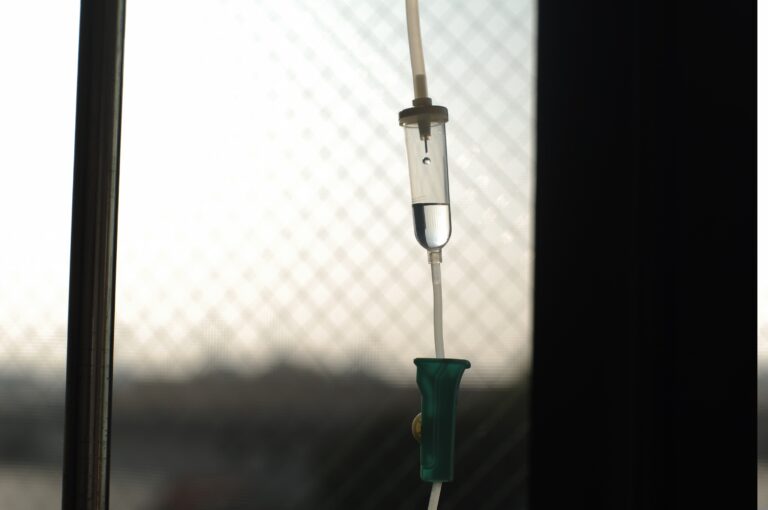
Photo by Hiroshi Tsubono on Unsplash
If you find it hard to keep fluids down due to severe nausea, an IV infusion for pregnancy offers valuable hydration .
The great thing that makes IV therapy great for pregnancy is that IVs allow your body to absorb these vitamins faster and in much higher quantities than oral consumption allowing you to feel better sooner.
IV therapy rehydrates your body, replacing the depleted fluids you lost due to morning sickness. Our hydrating IV treatments offer powerful symptom relief for many health concerns, including those related to pregnancy and new motherhood.
IV therapy during pregnancy will also help you support your immune system as well. This will help protect you against any future illnesses you might experience. You’ll also be less likely to suffer from any future bouts of nausea and morning sickness.
WHAT ARE THE BENEFITS TO STAYING HYDRATED DURING PREGNANCY?
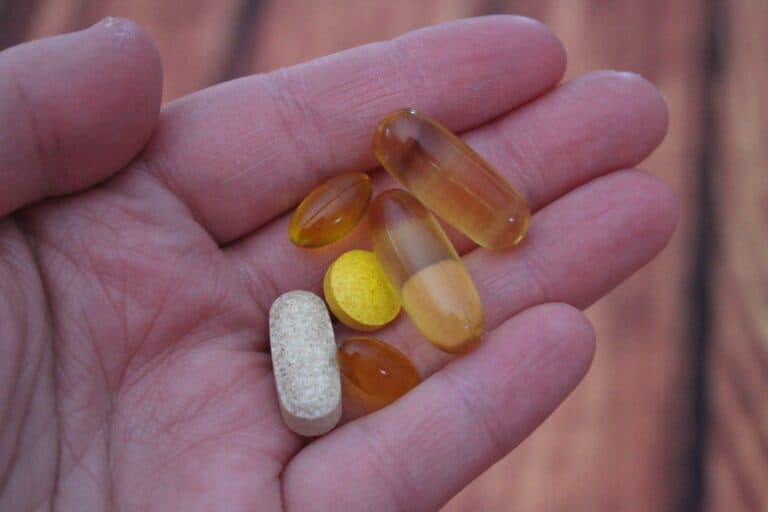
Photo by Robert Anderson on Unsplash
A few of the benefits of staying hydrated during your pregnancy with pregnancy IV drip are:
Mitigates morning sickness.
Minimizes Nausea
Increases Energy
Reduced swelling
Keeps your body temperature cooler.
Softens Skin
Decreases constipation.
Decreases risk of urinary tract infections
Decreases risk of preterm labor and preterm birth
What Is Morning Sickness?
Photo by Yuris Alhumaydy on Unsplash
Morning sickness is a feeling of nausea and/or vomiting which usually occurs during the first trimester of pregnancy; however, some women experience it through their entire pregnancy.
Despite its name, it can occur day or night. Normal morning sickness can be frustrating because it disrupts your daily schedule. Morning sickness can be so severe (hyperemesis gravidarum) that it could lead to serious fluid loss (dehydration).
Nausea and vomiting are the key characteristics of morning sickness. There’s no specific cause for morning sickness.
The increase in progesterone and estrogen hormones during pregnancy may be a factor, as well as a predisposition to motion sickness or migraines, or a pregnancy with a girl or multiples. A bout of morning sickness may be triggered by odors, heat, or spicy food—or it could simply come out of nowhere.
It’s important to know the signs of dehydration with morning sickness:
Inability to keep down water or other liquids.
Infrequent urination or low amounts of dark-colored urine
Dizziness
Elevated heart rate
Feeling “overheated”
Extreme thirst
Dry mouth and skin
Changes in mood, like irritability and confusion
Sunken eyes
Low blood pressure
If you experience any of those symptoms, your doctor may recommend an IV during pregnancy.
GEM Primary Healthcare (678)819-5497
Call now for pricing and availability. Visit us here!
We recommend Myers’ Cocktail to combat morning sickness. This drip IV offers a proven combination of vitamin B12, B Complex vitamins, vitamin C, magnesium, zinc, and glutathione to give you energy. Call now for pricing and availability. GEM Primary Healthcare, LLC (678) 819-5497.
Morning sickness isn’t the only time to get IV fluids when pregnant. Your obstetrician may suggest IV therapy if you are struggling to get all your nutritional needs met.
Vitamin and mineral deficiencies can cause serious issues such as birth defects, and morning sickness nausea and vomiting can make it even more difficult to get the nutrients you and your baby require.
Chronic Fatigue
Photo by Dmitry Schemelev on Unsplash
Pregnancy can be draining physically and mentally, making it hard to cope with fatigue. Proper nutrition and hydration can help alleviate some of this fatigue to help you recover faster.
IVs can supply potent energy support to help alleviate fatigue, giving you more strength and vigor to tackle all the tasks you need to accomplish before the baby comes.
At GEM Primary Healthcare, our IV treatments for pregnancy include fluids and critical nutrients prescribed by your OB/GYN to supplement your diet.
Our IVs for pregnancy are also customizable. Our team members can make recommendations on how you can add ingredients to your drip bag to deliver the best results.
For instance, you may want to add extra saline for increased hydration or B Complex for vitamin support. You may also consider adding Ondansetron (Zofran), the anti-nausea medication.
Vitamin Deficiency
Photo by Kayla Maurais on Unsplash
During pregnancy, one might find it difficult to eat due to a lack of appetite. The lack of appetite is sometimes associated with nausea which is a major part of morning sickness. Lack of appetite can result in vitamin deficiency.
Even when you eat well, there’s still a possibility that you might not be consuming vitamins in the needed amount for your health and that of your baby. This is why IV treatment is recommended during pregnancy.
Having an IV helps to deliver essential vitamins and nutrients that are needed for your baby’s growth and development, as well as for your health.
Being vitamin deficient as a pregnant woman comes with devastating complications like poor postnatal growth, low birth weight, bone fragility, and poor development of the baby.
Having intravenous therapy provides the needed vitamins and nutrients that you and your baby need throughout your pregnancy.
Anemia
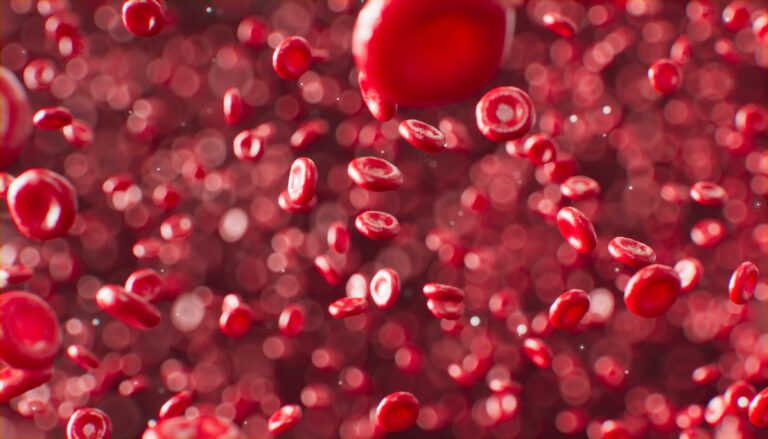
Photo by ANIRUDH on Unsplash
Anemia is common during pregnancy due to an increase in the body’s blood volume and the inability of the body to produce the corresponding amount of red blood cells.
Mild anemia during pregnancy is normal but it’s abnormal to have severe anemia during pregnancy. In severe anemia, your body isn’t getting enough red blood cells to deliver the required amount of oxygen to your tissues as well as that of your baby, so there’s a need for immediate treatment.
Symptoms of severe anemia include dizzy spells, fatigue, and shortness of breath. If you have severe anemia, you need immediate therapeutic intervention.
Intravenous drip for pregnancy can help treat anemia and its symptoms. It delivers sufficient nutrients into your body to ensure that your body is producing enough red blood cells to transport the needed oxygen to your tissues as well as that of your baby.
Safety Of IV Therapy During Pregnancy
Photo by Claudio Schwarz on Unsplash
It is important for expectant mothers to take every precaution for the safety of the baby. GEM Primary Healthcare takes every precaution to ensure that our IV therapy sessions are safe for all our clients, especially pregnant women.
We offer IV fluids that are safe during your pregnancy. We use medical-grade, safe IV fluids for pregnancy that are filled with vitamins, minerals and electrolytes like vitamin C, vitamin B complex, and zinc, all of which are recommended for pregnant women.
We can also add Ondansetron (Zofran) to help alleviate nausea. Research from the CDC has found that Zofran is safe for use during pregnancy.
All our IV therapy sessions are administered by trained medical professionals. We use high-quality sterile equipment and technique during our treatment sessions to eliminate the risk of infection.
GEM Primary Healthcare (678)819-5497
Call now for pricing and availability. Visit us here!
At GEM Primary Healthcare, we monitor you throughout the session so you can trust that you’re in good hands.
Additionally, most of our IV packages can safely be used during breastfeeding, and our trained medical professionals can answer any questions you have.
We also encourage all pregnant women to talk with their healthcare provider before undergoing any sort of treatment.
We will partner with your OB/GYN to make sure this treatment is right for you. Talking with them about plans to use IV therapy will give you the peace of mind to combat your symptoms and feel your best.
What to Expect During an IV Therapy Session
IV therapy during pregnancy allows you to safely and effectively relieve your symptoms and improve your daily life. At GEM Primary Healthcare, LLC, preparing for an IV session is easy.
Just make sure you are dressed in something comfortable where we can access your insertion site (hand or antecubital area). Make sure to eat something beforehand, ideally something well-rounded and rich in nutrients such as protein.
During the IV session, you can then just relax in a clean and cozy environment and take it easy as our trained medical professionals administer your treatment.
Photo by noor Younis on Unsplash
While you are seated, we gently insert the IV catheter into your arm and attach it to the drip line. The IV fluids travel down the line and into your bloodstream for rapid, maximum absorption. The entire session only lasts 45 to 60 minutes, so IV therapy doesn’t take a lot of time out of your day.
After your IV treatment appointment, you can get back to your daily life. Just make sure you take it easy for a few hours. Drink plenty of water and eat more protein-rich food to ensure your body is in tip-top shape.
To ensure the maximum benefit for an expecting mother, it is important to keep up a healthy diet and lifestyle, eating the right foods and getting plenty of water and rest. That way, you’ll be most likely to avoid future issues with nausea, morning sickness, and other illnesses.
Your body’s working hard growing a new life inside it, so support and nurture yourself with IV therapy for pregnancy. Book an appointment with us today!
In Conclusion
How else can I stay hydrated during pregnancy?
Hydration is very important during pregnancy. Therefore, even if you are using IV therapy for pregnancy, you should take care to remain hydrated between your treatments.
How can you do this? Drink plenty of water and eat hydrating foods like watermelon, cucumbers, strawberries, and lettuce.
If you exercise, get plenty of sleep, stay hydrated, and use IV therapy, your pregnancy is likely to be a healthier one.